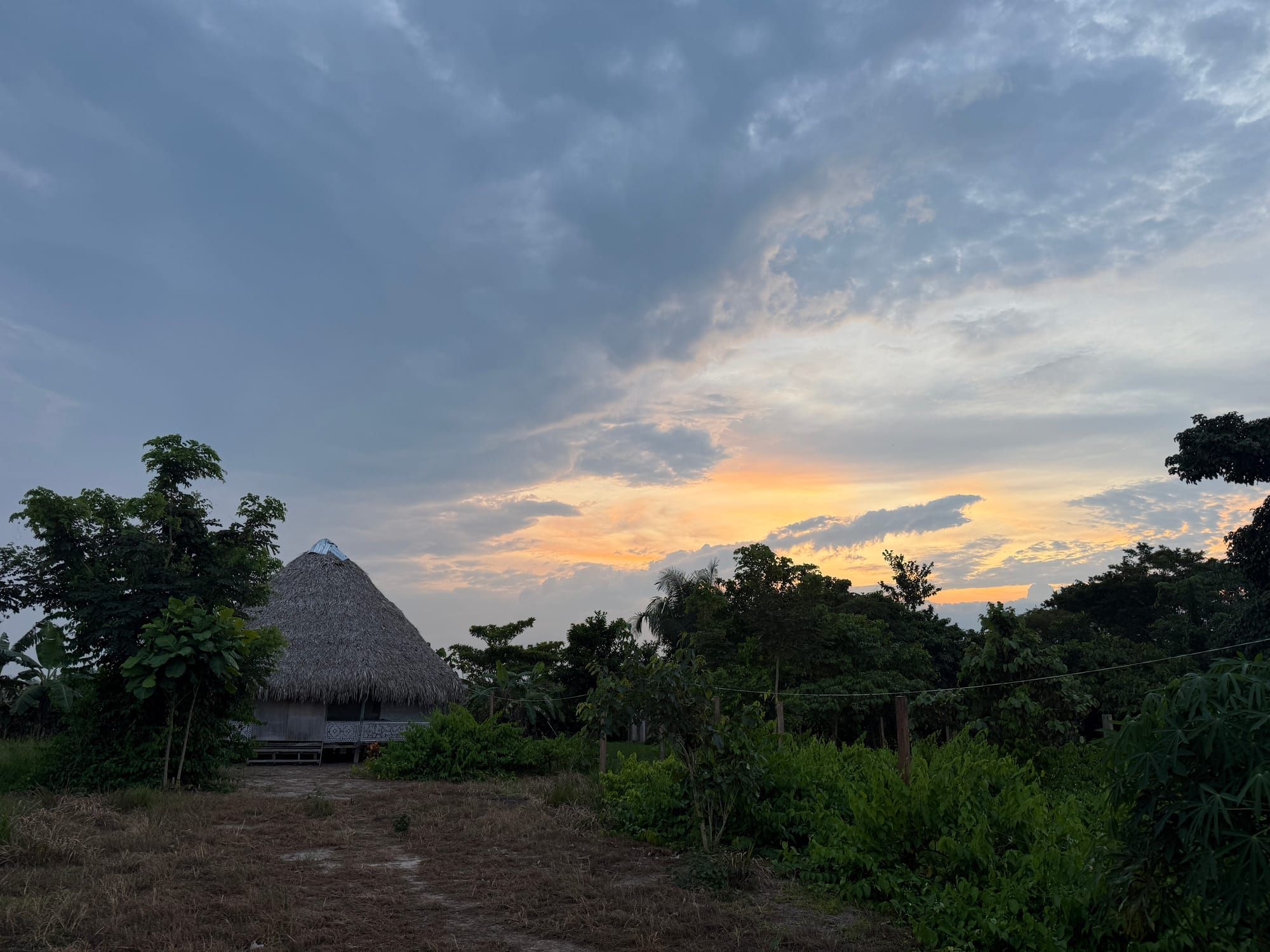
The Master Plant Dieta is one of the least understood practices in Amazonian plant medicine. Despite the name, it has little to do with diet in the Western sense. It is a spiritual discipline — a formal period of communion between a person and a plant spirit, undertaken in isolation under the guidance of an experienced curandero.
What Is a Dieta?
A dieta (sometimes sama in Shipibo) is a structured period during which a person ingests a specific master plant while observing strict dietary, behavioural, and social restrictions. The purpose is to form a relationship with the spirit of that plant — to receive its teachings, its healing, and in some cases its icaros (sacred songs).
This is fundamentally different from the short-term preparatory diet observed before an Ayahuasca ceremony (avoiding pork, alcohol, sex, etc. for a few days). The dieta is a commitment of weeks or months, undertaken in isolation, with far more rigorous restrictions. The two are easily confused but they have little in common.
The Process
While specific protocols vary by lineage and guiding Maestro, a typical dieta involves:
Preparation
- Consultation with the guiding curandero to select the appropriate plant
- Intention setting — understanding what you are asking the plant for
- Beginning dietary restrictions before the formal dieta starts
The Dieta Period
- Ingestion: The master plant is prepared — typically as a tea or decoction of bark, leaves, or roots — and consumed at the beginning of the dieta and sometimes periodically throughout
- Isolation: The dieter lives alone, usually in a simple tambo (hut) in the jungle, with minimal human contact
- Diet: Extremely restricted — bland food only. No salt, sugar, oil, spices, red meat, pork, alcohol, caffeine, or processed food. Typically boiled rice, green plantains, and certain fish
- Abstinence: Complete sexual abstinence, including no physical contact with others
- Stillness: Minimal stimulation — no music, screens, books, or entertainment. The dieter sits with themselves and the plant
- Ayahuasca ceremonies: Often conducted during the dieta to deepen the connection with the plant and to facilitate communication
Closing
- The dieta is formally closed by the curandero, typically with a final Ayahuasca ceremony
- Foods are reintroduced gradually — salt is usually the first restriction lifted
- A post-dieta period of continued (less strict) restrictions follows, often lasting as long as the dieta itself
Why These Restrictions?
There is reasoning behind every restriction. In the Shipibo understanding, the bland diet and isolation create conditions of energetic sensitivity — a kind of inner quiet that allows the dieter to perceive the plant's communication. Salt, sugar, strong flavours, sexual energy, and social interaction all create "noise" that drowns out the subtle signals of the plant spirit.
The restrictions also represent a sacrifice — a demonstration of commitment and respect to the plant. You are asking a powerful being for its help. The discipline of the dieta demonstrates that commitment.
What Happens During a Dieta?
The experience varies widely depending on the plant, the person, the duration, and the Maestro. Common elements include:
- Dreams: Often the primary channel of communication. Dreams during dieta tend to become vivid, narrative, and meaningful. Many practitioners report receiving teachings, icaros, and healing through dreams
- Emotional processing: Buried emotions, old patterns, and unresolved material surface — sometimes gently, sometimes forcefully
- Physical symptoms: The plant may cause physical effects specific to its nature — tingling with Chiric Sanango, emotional opening with Bobinsana, mental clarity with Noya Rao
- Boredom, loneliness, and restlessness: Part of the process. The discomfort of sitting alone with yourself, without distraction, is where much of the work happens
- Subtle shifts: Unlike Ayahuasca's often dramatic effects, many dieta plants work subtly. The teaching unfolds over weeks and months, often becoming clearer during the integration period after the dieta ends
Practitioners sometimes describe meeting the challenging or testing side of a plant during this process — what is colloquially called its shitana. (The word has an older, more precise meaning in the tradition — harming sorcery and the songs that carry it — explained on that page, along with arkana, its protective counterpart.)
Breaking the Dieta
Breaking a dieta — whether by eating forbidden foods, engaging in sexual activity, or abandoning the restrictions prematurely — is considered a serious transgression in the Shipibo tradition. The consequences are described in spiritual terms: the plant spirit withdraws its protection, leaves the dieter energetically vulnerable, and may cause illness, confusion, or persistent misfortune.
Whether you understand this literally or metaphorically, the practical observation is consistent: people who break their dietas tend to struggle. The traditional remedy is to repeat the dieta, often for double the original duration.
The Dieta Is Not the Ceremony
In the Western ayahuasca world, ceremony gets most of the attention; the dieta gets very little. But in the Shipibo tradition, the dieta is the more sustained practice. Ceremony is powerful, but it is an event; the dieta is a relationship — a sustained, disciplined engagement with a plant teacher that unfolds over weeks, months, and years of integration.
Many curanderos have spent decades in dieta with dozens of plants. Their knowledge, their icaros, their healing abilities all come from the plants they have dieted, rather than from books or training programmes.
Which Plants Are Dieted?
Any of the master plants (plantas maestras) can be dieted. The choice is usually made in consultation with the guiding curandero, based on what the dieter needs. Some common examples:
- Bobinsana — for emotional opening, heart healing, dream work
- Chiric Sanango — for strength, discipline, and confronting fear
- Noya Rao — for clarity and spiritual illumination (considered one of the most powerful dietas)
- Mapacho — for grounding, protection, and connection
See our Plant Reference section for detailed profiles of individual master plants.
Common Questions
How long does a plant dieta last?
Anywhere from a few days to several weeks, depending on the plant, the lineage and the dieter's experience. Advanced dietas can extend over months, or be revisited across years.
Can you do a dieta without drinking ayahuasca?
Yes. The dieta is its own practice — a sustained communion with a single plant spirit — and is distinct from the ayahuasca ceremony. Ayahuasca may or may not be part of a given dieta.
What can you eat on a dieta?
Very little, by design: no salt, sugar, oil, spices, pork, red meat, alcohol or stimulants — often just plantain, certain river fish and plain rice — to quiet the body and senses and make the dieter receptive to the plant.
Can you do a dieta on your own?
Traditionally no. A dieta is undertaken under an experienced maestro who prepares the plant, sets the protocol and provides energetic protection; self-dieting potent teacher plants is considered genuinely risky.